
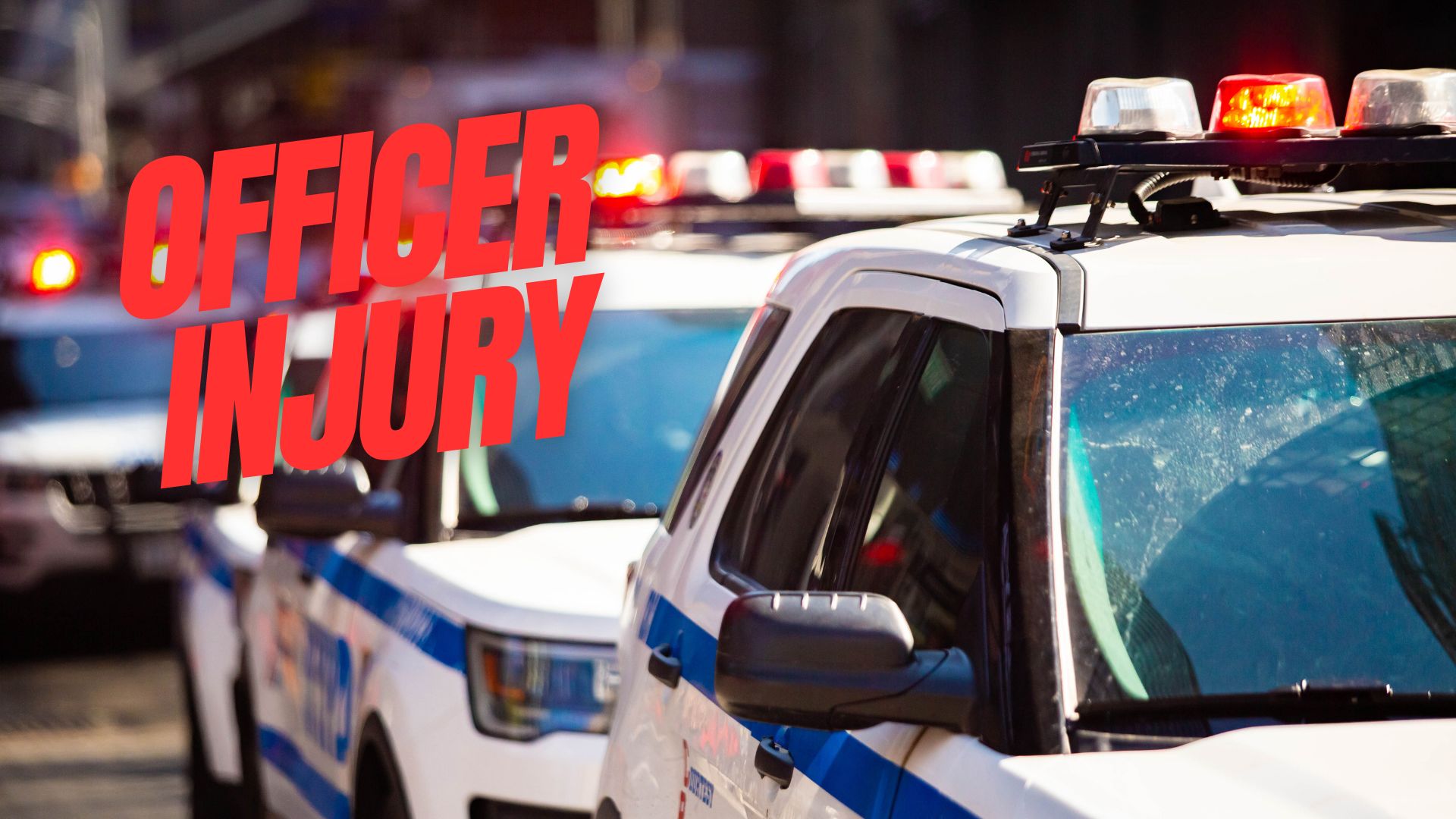
Understanding Line-of-Duty (LOD) Claims Under New York City Law
Brooklyn residents deeply appreciate the police officers who risk their lives every day to protect our communities. When a police officer suffers serious or catastrophic injuries in the line of duty (LOD), New York law provides important protections. However, workers’ compensation benefits under General Municipal Law §207-c often fail to fully compensate injured officers—especially for pain and suffering, long-term disability, and future medical costs.
While §207-c benefits can cover medical care and salary continuation, permanently disabled officers may receive only a portion of their pension benefits. Because traditional workers’ compensation does not compensate for non-economic damages, many injured officers must evaluate whether a third-party personal injury lawsuit is appropriate. An experienced Brooklyn personal injury law firm can assess liability, preserve evidence, and determine whether additional compensation is available.
This guide explains how third-party claims work, the most common causes of LOD injuries, and what factors influence jury verdicts in Brooklyn.
When Can Brooklyn Police Officers File Third-Party Injury Claims?
A third-party claim may be filed when someone other than the City of New York or the police department caused or contributed to the injury. These cases frequently involve:
Premises Liability Accidents
Police officers often suffer injuries due to unsafe property conditions while responding to emergencies or pursuing suspects. Examples include:
- Collapsing stairways with broken handrails
- Wet or slippery floors without warning signs
- Large potholes or unsafe sidewalks
- Malfunctioning elevators and escalators
- Faulty wiring that causes fires
- Improperly stored chemicals in poorly ventilated buildings
Hazardous property conditions can form the basis of a negligence claim. Officers injured in these scenarios may pursue damages beyond workers’ compensation.
Motor Vehicle Accidents
Brooklyn officers are frequently struck by negligent drivers while directing traffic or responding to collisions. Third-party motor vehicle claims require careful accident reconstruction and liability analysis. Officers injured in truck crashes may need detailed documentation similar to what is discussed in evidence needed in a truck accident.
Intentional Assaults
Violent suspects sometimes cause devastating injuries, including stab wounds, gunshot wounds, fractures, or traumatic brain injuries. In certain cases, civil claims may be pursued against negligent property owners or other responsible parties who contributed to unsafe conditions.
Workplace Safety and Departmental Liability
In rare circumstances, officers may have claims related to workplace safety violations. Under New York’s Public Employee Safety and Health (PESH) Act, public employers must provide workplaces free from recognized hazards.
Claims may arise from:
- Failure to provide proper training
- Issuing negligent operational orders
- Supplying outdated or poorly maintained equipment
- Failure to maintain safe facilities
Understanding the intent of the law is critical in determining liability under New York statutes. For deeper statutory analysis, review Intent of the Law.
The Most Common Line-of-Duty Injuries in Brooklyn
Police work carries inherent physical risk. The following injuries are among the most frequently reported LOD injuries:
1. Spinal Cord and Neck Injuries
Often caused by vehicle crashes, falls, or violent physical encounters. Severe spinal trauma may require surgery and long-term rehabilitation.
2. Assault-Related Injuries
Broken bones, lacerations, contusions, and internal trauma frequently result from physical altercations.
3. Concussions and Traumatic Brain Injuries (TBI)
High-impact falls and motor vehicle crashes often lead to TBIs. These injuries can be medically complex and difficult to prove. Our analysis of traumatic brain injury cases explains how invisible injuries are documented and valued in court.
4. Orthopedic Knee and Ankle Injuries
Chasing suspects across uneven surfaces frequently leads to ligament tears and fractures.
5. Shoulder and Rotator Cuff Damage
Common during physical struggles or when lifting heavy equipment.
6. Crash-Related Multi-System Trauma
Whiplash, internal bleeding, fractures, and organ damage often occur during RMP (Radio Motor Patrol) collisions.
7. Stab and Knife Wounds
Typically sustained during life-threatening confrontations.
8. Gunshot Wounds
Though less common than physical assaults, gunshot injuries cause severe long-term impairment.
9. Internal Organ Damage
Blunt force trauma from assaults or collisions frequently results in internal injuries.
10. Burns and Chemical Exposure
Fires, explosions, and hazardous material exposure may cause severe burns. Different categories of burns carry varying long-term consequences, as discussed in Types of Burn Injuries.
For a broader overview of medical categories and case valuation, see our guide on Injuries.
Brooklyn Neighborhoods With Higher LOD Injury Risks
Certain areas experience higher volumes of violent crime and emergency responses, increasing injury exposure:
- Brownsville
- East New York (75th Precinct)
- Cypress Hills
- East Flatbush
- Ocean Hill
Officers assigned to high-activity precincts may face greater risks of physical altercations, motor vehicle crashes, and hazardous building conditions.
Jury Verdict Ranges in Brooklyn Police Officer Third-Party Lawsuits
Verdict values depend heavily on the severity of injury, liability strength, and long-term impact. While every case is unique, general patterns include:
Moderate Injuries
Shoulder or knee surgeries with lasting limitations may result in verdicts ranging from $250,000 to $600,000, depending on permanency and wage loss.
Severe Orthopedic or Spinal Injuries
Spinal fusion surgeries or multiple fractures can lead to verdicts between $900,000 and $1.75 million.
Catastrophic Injuries
Permanent disability, traumatic brain injury, or severe multi-system trauma from high-speed incidents may result in verdicts between $3 million and $6 million or more, depending on evidence and life-care projections.
Key Factors That Influence Case Success
Several elements significantly affect third-party LOD claim outcomes:
Venue
Brooklyn juries historically demonstrate respect for public servants when presented with strong evidence.
Clear Liability
Successful cases clearly establish negligence under the appropriate statute.
Comprehensive Medical Documentation
Medical records, expert testimony, and long-term care projections are essential. Detailed documentation often determines whether future medical costs and non-economic damages are fully awarded.
Nature of the Incident
Slip-and-fall cases involving hazardous property conditions and RMP crashes often resonate strongly with jurors.
Why Third-Party Claims Matter for Injured Officers
Workers’ compensation and §207-c benefits do not compensate for pain and suffering. Third-party lawsuits allow injured officers to pursue:
- Full lost wage recovery
- Future earning capacity damages
- Pain and suffering
- Ongoing medical expenses
- Permanent disability compensation
These claims can significantly impact long-term financial security for officers and their families.
Protecting Brooklyn Police Officers’ Rights
Every Brooklyn and New York City resident benefits from the courage and service of our police officers and firefighters. When serious injuries occur in the line of duty, full compensation is not just a legal issue—it is a community responsibility.
After filing workers’ compensation or §207-c claims, injured officers should consult a knowledgeable Brooklyn personal injury attorney to evaluate all third-party recovery options. A thorough investigation, strong liability evidence, and comprehensive medical documentation are critical to maximizing compensation.
If you or a loved one suffered serious injuries due to another party’s negligence, contact our Brooklyn personal injury accident law firm. We carefully review medical records, analyze liability, and fight aggressively to recover maximum compensation for lost wages, medical expenses, pain and suffering, and long-term financial security.
Frequently Asked Questions (FAQs)
1. Can a Brooklyn police officer sue after being injured in the line of duty?
Yes. While General Municipal Law §207-c provides benefits, officers may file a third-party personal injury lawsuit if someone outside the police department caused the injury.
2. What is the difference between a §207-c claim and a third-party lawsuit?
A §207-c claim provides salary and medical benefits. A third-party lawsuit seeks additional compensation such as pain and suffering, full lost earnings, and future damages.
3. Are police officers eligible for pain and suffering damages?
Pain and suffering are not covered under workers’ compensation or §207-c benefits. However, they may be recoverable in a third-party personal injury claim.
4. What types of accidents support third-party claims?
Common claims arise from motor vehicle crashes, unsafe property conditions (premises liability), negligent building maintenance, and certain workplace safety violations.
5. How long does a Brooklyn police officer have to file a third-party claim?
In most personal injury cases in New York, the statute of limitations is three years. However, deadlines can vary depending on the parties involved, so prompt legal consultation is critical.
6. Can an officer sue if struck by a negligent driver while directing traffic?
Yes. If a private driver caused the crash, the officer may pursue a negligence claim against that driver and their insurance carrier.
7. What damages are available in a third-party police injury lawsuit?
Damages may include medical expenses, future medical care, lost wages, diminished earning capacity, pain and suffering, and permanent disability compensation.
8. Are traumatic brain injuries (TBI) common in line-of-duty cases?
Yes. Concussions and TBIs frequently occur during vehicle collisions, falls, and violent encounters. These injuries often require expert medical testimony to prove long-term impact.
9. Does venue affect jury verdicts in Brooklyn?
Yes. Jury demographics and venue can influence case outcomes. Brooklyn juries have historically shown respect for injured public servants when evidence is clearly presented.
10. Should injured officers hire a personal injury attorney?
Yes. Third-party claims require detailed investigation, expert testimony, and strategic litigation. An experienced Brooklyn personal injury attorney can evaluate liability and maximize recovery.