
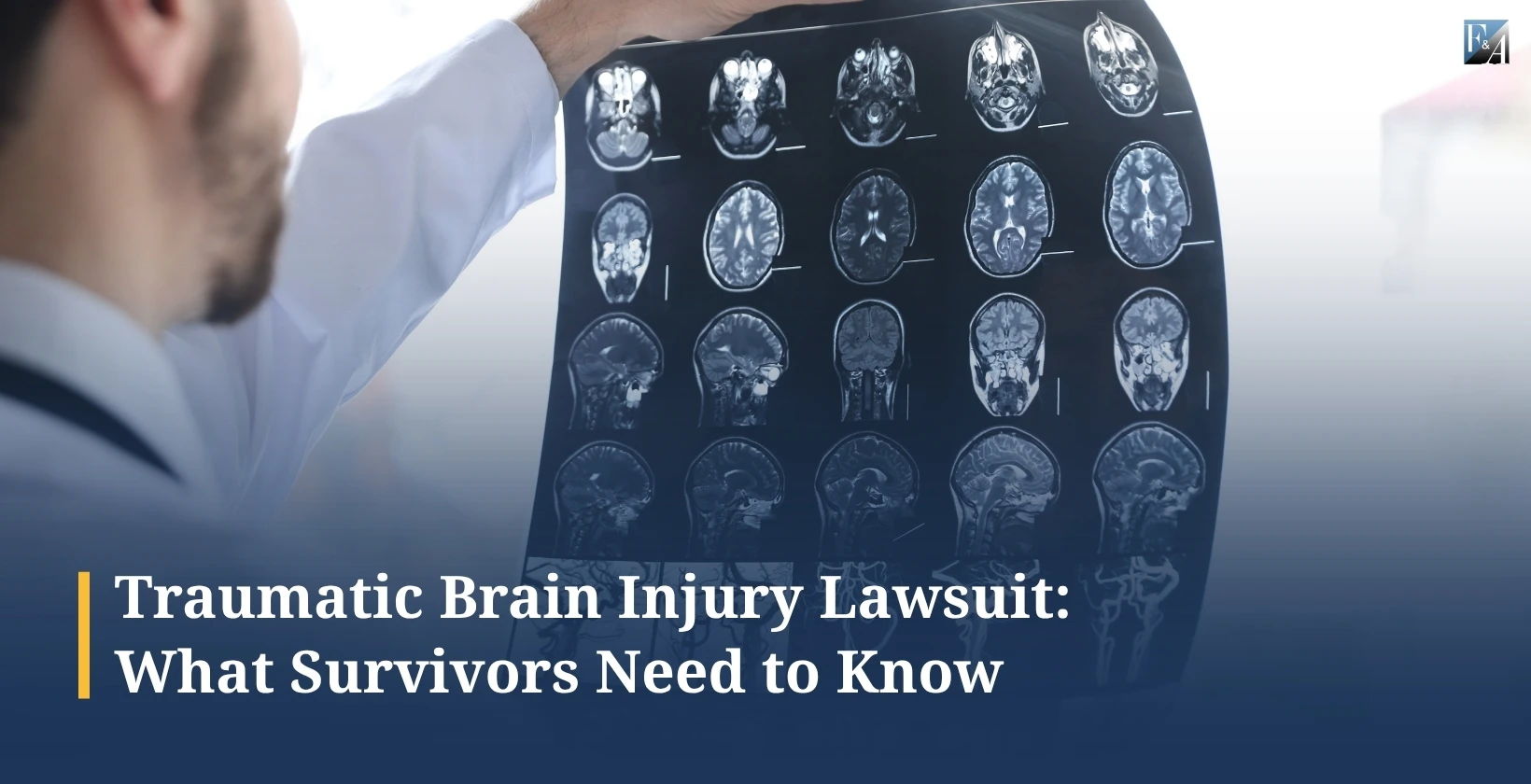
Traumatic Brain Injury Lawsuit: What Survivors Need to Know
If you are weighing that decision right now, you are not alone, and you deserve a clear picture of what pursuing a traumatic brain injury lawsuit in New York actually involves before you decide anything. Working with an attorney for traumatic brain injuries starts with that clarity. If you are weighing that decision right now, you are not alone, and you deserve a clear picture of what pursuing a traumatic brain injury lawsuit in New York actually involves before you decide anything. At an NYC brain injury law firm like Frekhtman & Associates, attorney Arkady Frekhtman and our team have spent 25+ years representing brain injury survivors across New York City. This guide walks you through when to file, how your attorneys prove a TBI case, what compensation can cover, and what the process looks like from the first call to resolution. Call (866) 629-9529 for a free consultation with our
Brain Injury Compensation in New York
Brain injury compensation in New York covers far more than most insurance offers reflect. Every compensation category available under New York law is explained here, what drives your settlement value, and what evidence determines whether you walk away with a fair recovery. If you’ve received an offer or want to know what your case is worth, start here.

New York Just Changed the Rules for Car Accident Injury Claims in 2026
New York changed the rules for car accident injury claims through reforms that took effect in May 2026. For lawsuits filed on or after May 26, 2026, three major changes apply: the 90/180-day injury category no longer qualifies as a serious injury, a new fault rule can bar recovery in some cases, and a $100,000 cap now applies to certain at-fault drivers. Insurance adjusters are already applying the new standards, and your claim may turn on details that mattered less before May 26, 2026. The 90/180-day injury category no longer qualifies as a serious injury on its own. A new fault rule can bar recovery entirely if a jury finds you 51% or more at fault. A $100,000 cap now applies to pain and suffering for certain at-fault drivers. What Changed The New Rule Serious injury threshold The 90/180-day category is gone. Eight categories remain under Insurance Law Section 5102(d).

Brooklyn Jury Selection Strategies: How Local Attorneys Pick Million-Dollar Juries
Those who aren’t familiar with legal matters might assume that it’s easy to guess which prospective jurors might have strong biases based on their jobs, incomes, and levels of education. Yet today’s successful Brooklyn personal injury trial attorneys have discovered that individual prejudices can be hard to detect. Therefore, we make sure to listen carefully as each prospective juror responds to open-ended questions that can reveal hidden biases. We work hard to select fair and reasonable jurors who are open to providing generous verdicts based on strong evidence. Before discussing this topic further, some useful definitions related to Brooklyn jury selection will be shared. After these terms are noted, we’ll take a closer look at some of the other factors that influence our ability to help jurors reach fair verdicts as they compensate injured clients. Basic definitions for peremptory challenges, voir dire, and challenges for cause Most Americans want to

Brooklyn Police Officer Injury Cases
Understanding Line-of-Duty (LOD) Claims Under New York City Law Brooklyn residents deeply appreciate the police officers who risk their lives every day to protect our communities. When a police officer suffers serious or catastrophic injuries in the line of duty (LOD), New York law provides important protections. However, workers’ compensation benefits under General Municipal Law §207-c often fail to fully compensate injured officers—especially for pain and suffering, long-term disability, and future medical costs. While §207-c benefits can cover medical care and salary continuation, permanently disabled officers may receive only a portion of their pension benefits. Because traditional workers’ compensation does not compensate for non-economic damages, many injured officers must evaluate whether a third-party personal injury lawsuit is appropriate. An experienced Brooklyn personal injury law firm can assess liability, preserve evidence, and determine whether additional compensation is available. This guide explains how third-party claims work, the most common causes of LOD

New York Construction Site Accident Lawyers Discuss Building Stairway Accidents in the Workplace
Given the constant pressure to quickly erect all new business and residential skyscrapers, it’s a wonder that stairway injury and fatality statistics aren’t even higher. One study indicates that during one year alone, over eight million people required medical treatment for fall-related injuries. Furthermore, the National Safety Council and the Bureau of Labor Statistics have both noted that falls remain the number two cause of workplace fatalities. When it comes to safely use stairways, we all need to stop and reassess the risks involved. After all, 80% of falls on stairways are due to people’s poor choices – as opposed to unsafe staircase conditions (with some exceptions). Do you personally keep talking on your cell phone while using a staircase? If so, it’s a good idea to break that habit since it may keep you from looking down and seeing any loose objects on the stairs that could cause you to fall. Here are some useful safety