

What Are The Four Warehouse Dangers At Work
Warehouses are large buildings that store “things” such as raw materials, machine or device components, and finished goods for distribution to retailers. They often become busy and even frenetic places during peak demand periods of the year. This places a lot of pressure on their workers to move products rapidly, explains one of New York’s work accident lawyers at the F&A injury law firm. Unfortunately, some warehouse managers solve this by compromising safety as well as pushing their workers too hard and/or making them work long shifts. A warehouse full of rushed people on foot moving among racing forklifts through cluttered aisles is an accident waiting to happen. Some common warehouse accidents include: Forklift Accidents Forklifts can easily become unstable when they carry a poorly balanced load or a load that is elevated too high off the ground. The higher the load, the greater the tipping action when cornering, braking, or moving on

How To Create Safety Training Programs for Construction Workers
Construction companies have a duty to provide proper safety training to all their workers so that serious injuries, illnesses, and deaths can be minimized. Although larger construction site supervisors may hire outside consultants to conduct their training sessions, most moderate-sized and smaller companies create their own programs. Fortunately, OSHA (Occupational and Safety Health Administration), NIOSH (National Institute for Occupational Safety and Health) and other government groups publish online training guidelines and standards. Here is a brief look at key factors that construction companies often consider when trying to design their own safety programs. Of course, responsible employers should already be providing brief safety training sessions whenever they introduce new tools and machines to their workers. When potential employees interview for new jobs, they should always ask how frequently safety training programs are offered since this information provides a helpful insight into how much importance a company places on maintaining a

Five Causes of Trench Accidents
Trenches are a common sight in the construction industry and present several dangers. These include falls, cave-ins, dangerous fumes and gases, and worker vulnerability to falling loads from above. The greatest danger however, is a cave-in on the workers inside the trench. Here are five factors that cause cave-in trench accidents: Inadequate Protection Systems in Place A vertical wall of soil is generally unstable. Although it may initially hold up when the soil conditions are right, disturbances such as vibration or changes in the soil’s moisture can cause the wall to collapse. To ensure worker safety, appropriate protection systems are required. Depending on the soil type, soil moisture, trench depth, and other factors, one of four types of protection systems are used: Benching. Unstable vertical walls of trenches are cut back into a stair-like pattern of steps. Sloping. The trench wall is cut back at an angle to form a constant
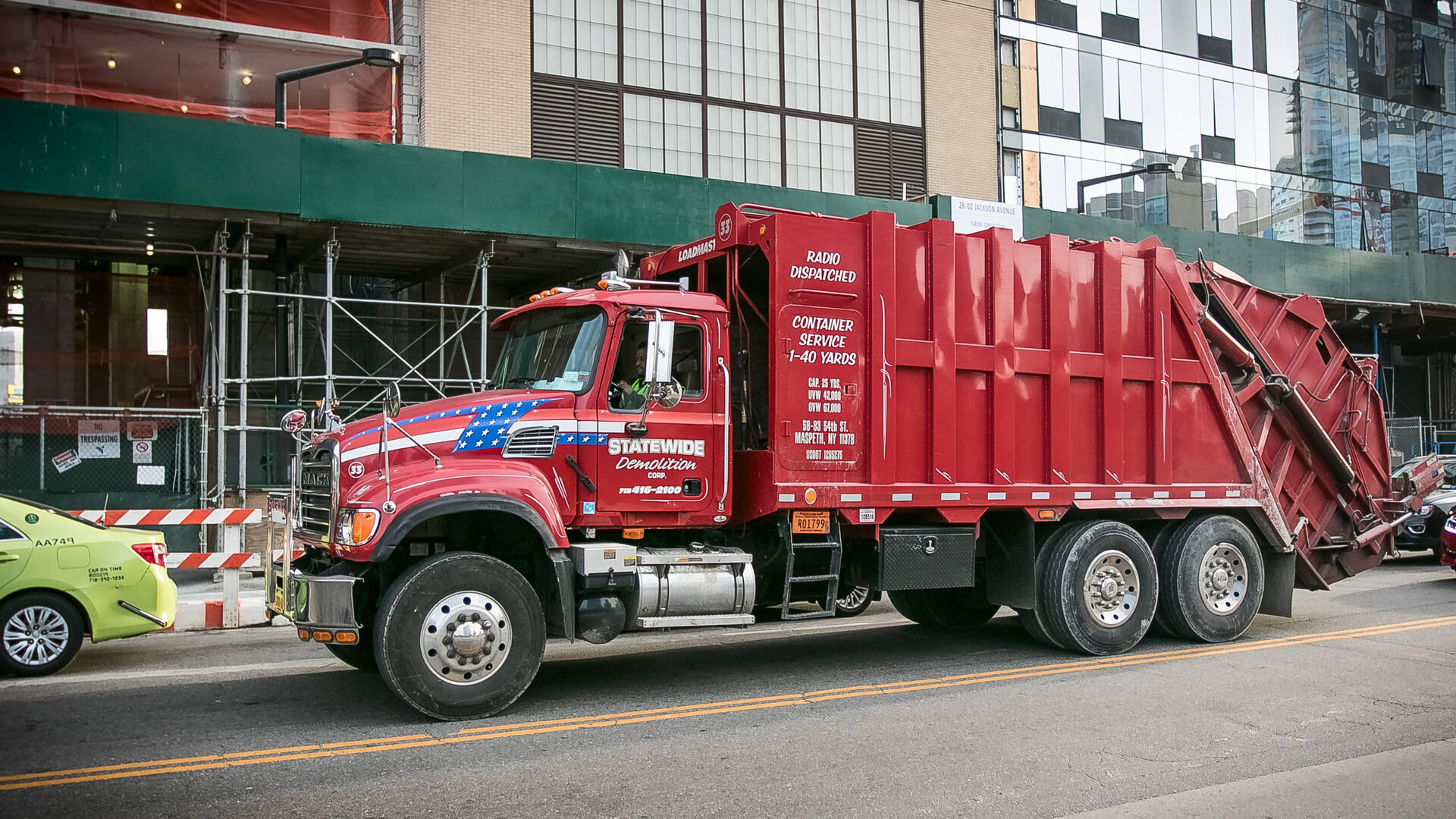
New York City Garbage Truck Accidents Remain Deadly
Too many accidents involving New York City garbage trucks end badly, even when no one dies. This remains true since many of these large sanitation trucks weigh about 72,000 pounds. Pedestrians, motorcyclists, bicyclists — and even passenger vehicle occupants — rarely escape major injuries after being hit by one of these massive vehicles. Even smaller garbage trucks weighing between 50,000 and 60,000 pounds often wield deadly force when they hit the average American passenger car that weighs between about 2,600 and 4,400 pounds. One of the most tragic New York City garbage truck accidents to occur during recent years happened in Queens in January of 2020. A 10-year-old boy was being walked to school in the dark early one morning by his 40-year-old mother when they were both hit by a garbage truck. The two pedestrians were trying to cross 57th Avenue near 97th Street when the sanitation truck exited

EP01 S04: Your Injury Lawyer is NEVER Allowed To Talk About THIS
Do You Know The Number One Thing Your Personal njury Lawyer is Not Allowed to Talk About at Trial Pick Your Favorite Channel: Apple Podcast | Google Podcasts | Spotify | Stitcher | RSS Full Transcript: Hi everybody. My name is Arkady Frekhtman and I’m a trial lawyer at the F&A Injury Lawyers here in Brooklyn, New York. I wanted to talk about something that I’m not allowed to talk about when I’m on the trial. And that is insurance, right? Because all of these personal injury cases, whether they’re car accidents, trip and fall, even medical malpractice, the defendants are covered by insurance. And you’re never allowed to say the word insurance before a jury because it could be so prejudicial, right? You’re also never allowed to violate the golden rule, which is to put the jurors in the same position that your client is in. So if my
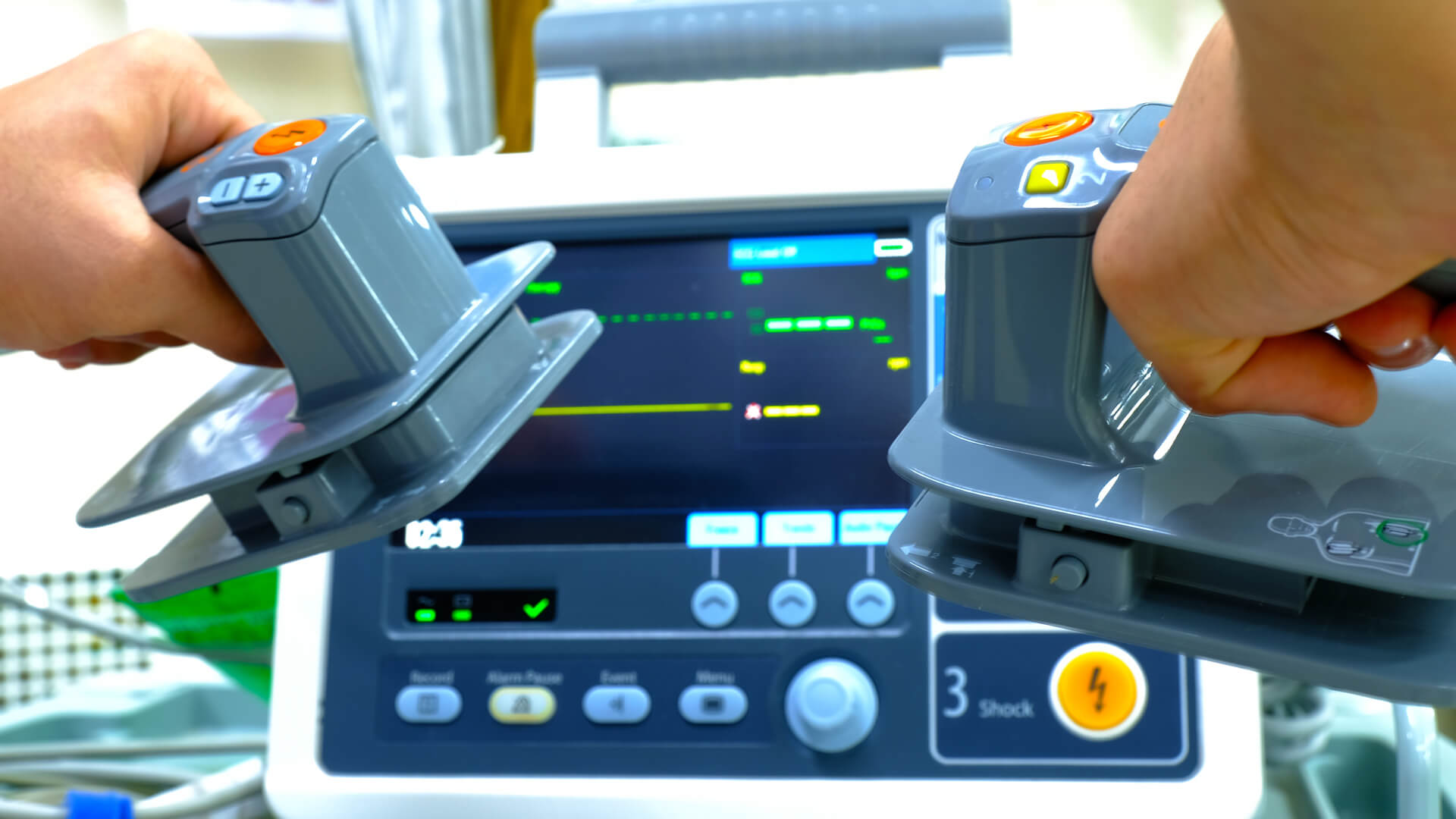
Many Medical Malpractice Cases Involve Medical Equipment Failures
While most medical malpractice cases involve the negligent acts of doctors and medical support staff, many others are filed due to medical equipment failures. Mistakes made while using different types of medical equipment and devices can also prove catastrophic, especially when patients are already suffering from serious conditions. Furthermore, when medical equipment is improperly used, the chances of a patient developing a serious HAI (hospital-acquired infection) greatly increase. Becoming familiar with medical equipment risks can help all of us better protect ourselves when trying to determine how past medical malpractice may have occurred — or might occur in the future. What follows is a closer look at the types of medical equipment that may malfunction and directly cause harm to us. Attention is also given to the faulty decisions that healthcare providers sometimes make when using some of the devices listed below. Types of medical equipment that can directly cause