

Adaptive Clothing Can Make Life Easier for the Disabled
After surviving major accidents and surgeries, many of the newly disabled must address unexpected life challenges. For example, they must find clothes that help minimize their pain and discomfort while dressing each day and trying to increase their mobility. Others disabled people must either search for clothing that will not interfere with their care while bedridden — or when moving about using wheelchairs or other assistive devices. Should temporarily or permanently disabled adults or children want clothing that also looks fashionable, they will have to look even harder to meet their needs. While many stylish yet adaptive clothes can be a bit expensive, careful internet searches can still turn up worthwhile bargains. We all have a right to try and wear clothes that accent our sense of style and level of self-reliance or independence. Companies marketing clothes to the disabled can also sell them to America’s many seniors Fortunately, a

Virtual Reality Therapy Helps the Disabled Improve Their Health
Recreational therapists are currently helping many disabled veterans and other patients by teaching them to use virtual reality “goggles” during treatment sessions. Once people can “see” or virtually experience enjoyable activities, they begin to realize that they can still set new goals for their lives and move forward with greater optimism. General accident victims can also benefit from using this type of equipment Whether you have lost the use of an arm or leg due to a terrible car accident or a bad fall at work, virtual reality (VR) therapy might be able to help you regain some physical skills — and remind you that life can still be fun and exciting. VR therapy can also help those battling depression after enduring painful rehabilitative therapies due to serious burns or amputated body parts. Even when you are not yet physically ready to strengthen your muscles while using regular exercise equipment,

NYC Sanitation Truck Accident Law Firm
Back in November of 2019, the NYPD began cracking down harder on all private company garbage truck drivers since they’re causing far too many deadly accidents. During the past several years, over 20 people have died due to these careless drivers. However, many NYC sanitation truck drivers are also recklessly endangering public safety. Accident reports reveal that garbage trucks are often driven too fast, down the wrong side of the road or too close to pedestrians and bicyclists. During one week of the crackdown, the NYPD wrote over 500 tickets for moving violations and issued 555 criminal court summons. Many of the citations were written because the sanitation trucks had faulty brakes, extensive fluid leaks — or horns that didn’t work. After reviewing several recent sanitation truck accidents, this article looks at the most common types of injuries suffered and the most frequent driver errors. Recent garbage truck accidents reveal

NYC Commercial Truck Accidents: FAQs, Definitions and Statutes
Without a doubt, the most dangerous type of vehicle to collide with in an accident is a large commercial truck. Even the smaller ones often weigh far more than the average passenger car that weighs between 3,000 and 4,000 pounds. As might be expected, injured passengers of other vehicles (as well as cyclists, pedestrians and motorcycle riders) often die of their injuries. People who manage to survive accidents with commercial trucks are often left paralyzed – or suffering from traumatic brain injuries, broken bones, spinal cord injuries – or a vast array of other medical problems. While many people improve greatly during rehabilitation, others must adjust to physical limitations and mobility problems for the rest of their lives. Compromising cognitive and psychological issues are also quite common. Here are some useful definitions, references to applicable statutes – and answers to questions often asked regarding NYC commercial truck accidents. How commercial

Hoverboard Injury Lawyers Discuss Their Case on NBC TV News – Trial Lawyer Interviewed
Hoverboard Situation Last week the Consumer Product Safety Commission (“CPSC”) has officially issued a recall for over half a million hoverboards explain NYC hoverboard injury lawyers. Consequently, after a long and thorough investigation into the safety of hoverboards, the Commission found that the scooter’s batteries may overheat leading to a possible fire or explosion. Nearly one hundred incidents have been reported throughout the United States of hoverboards erupting in flames, exploding, catching fire, or emanating smoke. These claims include both personal injury and property damage. The CPSC has explicated said the hoverboards that are the subject of the recall had design flaws that directly put people at real risk. Included in the recall are popular models including the Swagway X1 with 267,000 scooters recalled along with those made by Razor, PTX Performance, and Keenford. F&A accident lawyers represent an individual injured by a Hoverboard in the New York City area.
New Technologies Can Help Truckers Decrease Fatigue and Accidents
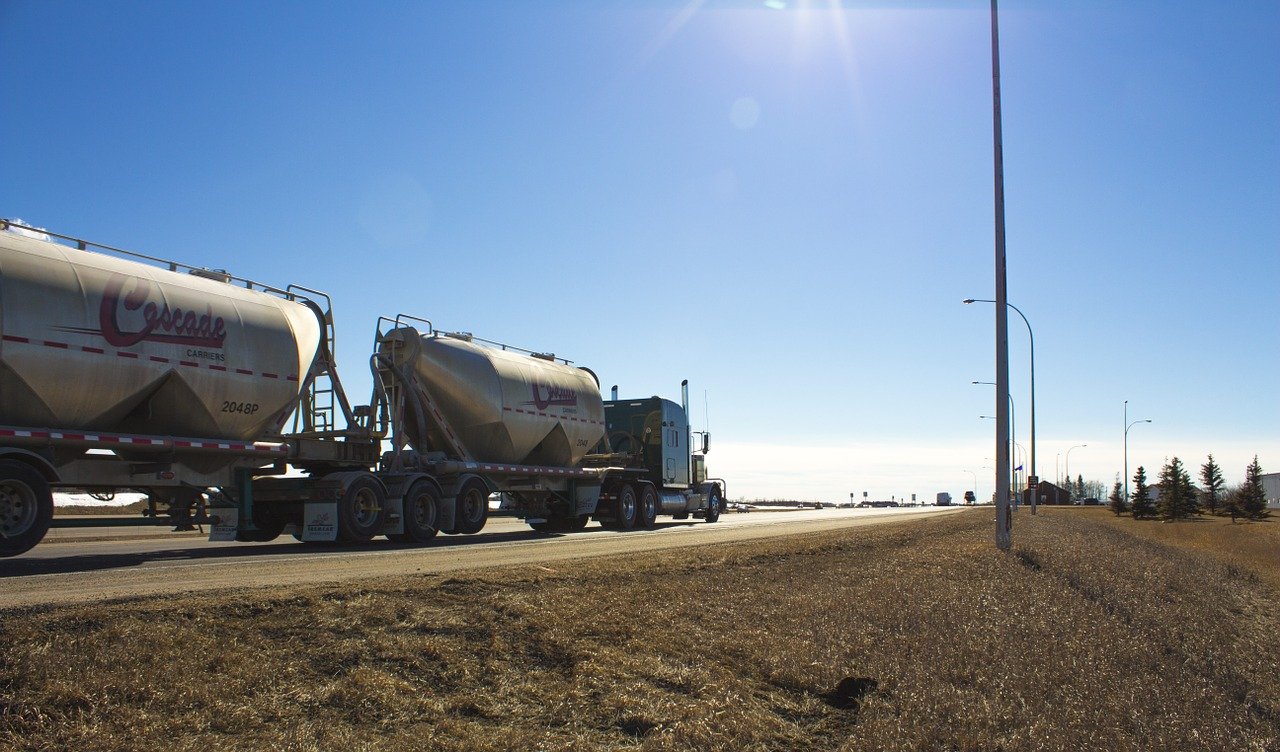
Veterans of the trucking industry like Juan Ochoa, who currently manages a group of about 80 long-haul trucks in Kent Washington, estimate that roughly seventy percent (70%) of all trucking accidents are caused by fatigue. Ochoa also asserts that once truck drivers become too tired, they’re no longer able to respond quickly enough to road dangers. Aware of this problem, many businesses are now creating and marketing products that can help truckers remain fully aware of when they’ve become too drowsy to drive. Dr. Daniel Bongers’s Australian company SmartCap currently markets a line of industrial safety products that can help most truckers know when it’s time to pull off the road and rest for a while. What follows is a review of some of the current products that truckers can use to help them learn how to schedule longer nights for sleep and more frequent rest periods during their days.